The 1960s were the last years in which the United States education system was considered to be number one in the world. Present placement in the 30s began with influences on elementary curriculum from outside the classroom in the 1950s and 1960s. Experts from higher education gained influence that began with the development of new math programs by educator mathematicians.
As education expanded in the suburbs, school system administrators were chosen by committee, with experts from local colleges that tended to favor such new ideas. Classroom teachers with long term teaching experience were overlooked for Principalships by younger inexperienced administrators, more attuned to the influence of higher education. As new superintendents assumed their positions, they promised the constituency of their school district all or most of the innovations in the surrounding school systems. Thus, innovations from higher education, such as the new middle school concept and new school math programs in elementary schools were greeted with open arms by the “modern” administrators. In addition, new reading programs that minimized phonics started to emerge.
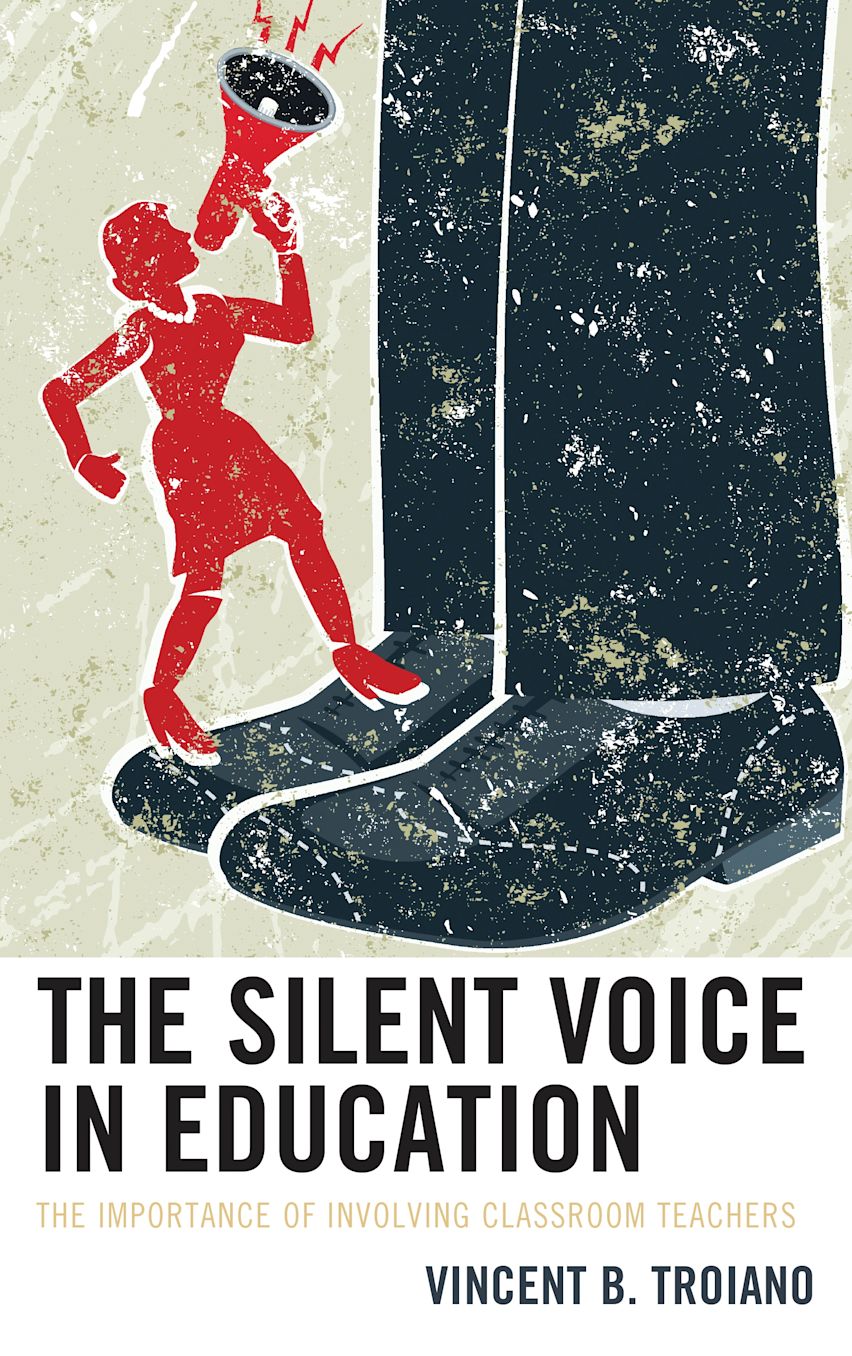
This article is a separate piece by Vincent B. Troiano, related to themes explored in his book The Silent Voice in Education, published by Rowman & Littlefield.